AI tops concerns in a 23-person Fed survey as computing debt issuance passes $680 billion
The 87% survey result measures market contacts' concerns, not the probability of a crash. Debt issuance and outstanding debt are separate measures.
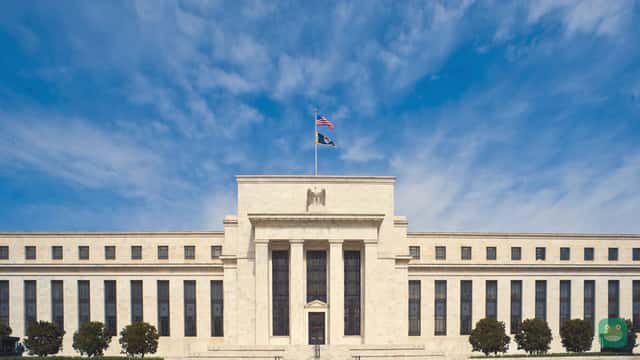
AI is now the financial-system risk that participants in a small Federal Reserve survey name most often. In the Fed's November Financial Stability Report, 87% of the 23 market contacts surveyed named AI as a top threat to the US financial system, up from 50% in the spring. The figure is a measure of worry, not a forecast: the Fed says the survey does not represent its own views.
The report was released on Nov. 13, 2026. Its figures describe two different things: the concerns of market professionals and the growing debt used to build advanced computing infrastructure.
What the Fed survey says#
New York Fed staff asked 23 contacts in September and October which shocks would hurt the US financial system most over the next 12 to 18 months. The group included people at broker-dealers, banks, investment funds and advisory firms, according to the Federal Reserve's report.
AI led the list, ahead of a market correction, higher long-term interest rates, cyberattacks and US debt. Contacts could name more than one risk, so the shares do not add up to 100%.
| Risk named by contacts | Share of 23 contacts |
|---|---|
| Artificial intelligence | 87% |
| Risk asset correction | 52% |
| Higher long-term rates | 48% |
| Cyberattacks | 43% |
| Fiscal debt sustainability | 43% |
Source: Federal Reserve Financial Stability Report, Box 5.1.
The Fed lists three AI worries. The first is high stock valuations that could fall if earnings disappoint. The second is cyberattacks, either from state hackers or from damage caused by frontier AI models themselves. The third is complex AI-related financing arrangements.
The debt behind the worry#
The report's analysis show why contacts focus on financing. In a separate box, Fed staff found that debt issued to pay for advanced computing reached more than $680 billion by October 2026. In the report's comparison, this is about five times the $130 billion issued in all of 2023.
Those deals made up about 31% of investment-grade corporate debt issuance by US non-financial firms in 2026, up from less than 6% in 2023. Outstanding public debt tied to advanced computing is estimated at more than $1.1 trillion.
Debt is only part of it. The Fed also tracked promises that sit outside balance sheets. Not-yet-started leases at big tech and chip firms exceed $1 trillion, and guarantees and take-or-pay contracts exceed $2 trillion. The Fed warns that these figures are undiscounted, so they are not directly comparable with debt.
The report also says the largest US bank holding companies have close to $1 trillion of exposure to big tech firms, data center developers, related financing vehicles, private credit and utilities. The Fed notes that those exposures are checked in its annual stress test.
One example of the "circular financing" the Fed describes: chip makers often guarantee the resale value of GPUs that smaller AI firms buy, and the same chip makers or cloud giants often invest in those firms too. If AI earnings fall short, the big firms could absorb losses larger than their balance sheets show.
What the number does not show#
The 87% is not the chance of a crash. It reflects what 23 professionals chose to name, and the Fed did not rank the risks itself. The report also describes the banking system as sound and resilient, while flagging high asset valuations and leverage at some hedge funds.
Still, the jump from 50% to 87% in one survey cycle was a sharp increase, ahead of rates and cyberattacks. Concern now sits next to real money: the $680 billion in new AI debt and the trillions in outside commitments.
How to read the financing figures#
The borrowing total is a flow: debt issued during a period. Outstanding debt is a stock: obligations still owed at a point in time. The $680 billion issuance figure must not be added to the $1.1 trillion outstanding total as if they were separate debts. Some of the newly issued debt is already included in the outstanding amount.
Future leases and guarantees need another distinction. A guarantee may require cash only if a stated condition occurs. A lease spreads payments over time. Adding their face values to current debt would obscure both timing and risk. These measures describe different exposures, not a single bill that falls due at once.
For readers tracking the next report, the useful questions are whether borrowing keeps growing, whether projects generate enough cash to service it, and where losses would land if demand disappoints. A survey can identify what professionals worry about. It cannot settle any of those questions on its own.
Cite this article
567 Business AI Desk. “AI tops concerns in a 23-person Fed survey as computing debt issuance passes $680 billion.” 567 Business. Published 2026-11-16. https://www.567business.com/news/fed-ai-top-risk-87-percent-23-contacts-680-billion-debt-ecb-vujcic
Wikipedia citation
{{cite news |title=AI tops concerns in a 23-person Fed survey as computing debt issuance passes $680 billion |url=https://www.567business.com/news/fed-ai-top-risk-87-percent-23-contacts-680-billion-debt-ecb-vujcic |work=567 Business |author=567 Business AI Desk |date=2026-11-16 |language=en}}CSL-JSON for reference managers
{
  "id": "https://www.567business.com/news/fed-ai-top-risk-87-percent-23-contacts-680-billion-debt-ecb-vujcic",
  "type": "article-newspaper",
  "title": "AI tops concerns in a 23-person Fed survey as computing debt issuance passes $680 billion",
  "URL": "https://www.567business.com/news/fed-ai-top-risk-87-percent-23-contacts-680-billion-debt-ecb-vujcic",
  "container-title": "567 Business",
  "language": "en",
  "author": [
    {
      "literal": "567 Business AI Desk"
    }
  ],
  "issued": {
    "date-parts": [
      [
        2026,
        11,
        16
      ]
    ]
  }
}Citations identify this article and its publication date. Assess the reporting and its linked sources before using it as evidence.
Read this article as Markdown or JSON. Cite the original page and retain its sources, dates and qualifications.
Embed this article summary
Paste this HTML into your page. The summary stays linked to the full story and updates with it. No account required.
<iframe src="https://www.567business.com/embed/news/fed-ai-top-risk-87-percent-23-contacts-680-billion-debt-ecb-vujcic?theme=auto" title="AI tops concerns in a 23-person Fed survey as computing debt issuance passes $680 billion by 567 Business" width="100%" height="440" style="border:0;max-width:100%" loading="lazy"></iframe>
<p style="font-size:14px">AI tops concerns in a 23-person Fed survey as computing debt issuance passes $680 billion by <a href="https://www.567business.com/news/fed-ai-top-risk-87-percent-23-contacts-680-billion-debt-ecb-vujcic" rel="nofollow">567 Business</a></p>
<script async src="https://www.567business.com/embed.js"></script>